
Online casinos are usually judged by what the player sees first. The lobby, the slots, the live tables, the colours, the bonuses, the quick games. Fair enough. That is the visible part. But the reason one platform feels sharp and another feels dated is usually sitting underneath the screen. The modern online casino is a tech product before it is anything else. It has to load quickly, respond cleanly, stream live games without falling behind, protect account data, update balances correctly and keep hundreds of games moving across different devices. If that sounds simple, it is only because the best platforms hide the work well.
Speed Is the First Test
Nobody opens an online casino with much patience. If the homepage takes too long, the mood changes before the first game even starts. If a slot freezes during loading, the player may never see the reels. If a live table opens late, the round might already feel missed. That is why speed has become one of the most important parts of casino tech. A good platform has to manage game files, images, animations, account data and payment information without making the user wait through every step. Some of that comes from lighter game design. Some comes from better hosting, faster servers and smarter content delivery. The player does not need to know any of this. They only notice whether the game opens smoothly.
Mobile Changed the Whole Build
Desktop casino sites had more room to hide messy design. Mobile does not. On a phone, every weak decision becomes obvious. A button that is too small. A balance that is hard to read. A lobby that needs too much scrolling. A live game squeezed into a crowded screen. That is why online casino platforms now have to think like app developers. The screen must be clean. The main action has to sit where the thumb expects it. The cashier must be easy to understand. Search has to work properly because nobody wants to scroll through hundreds of games on a small screen. Mobile did not just shrink the casino. It forced the whole experience to become cleaner.
Live Casino Needs Strong Infrastructure
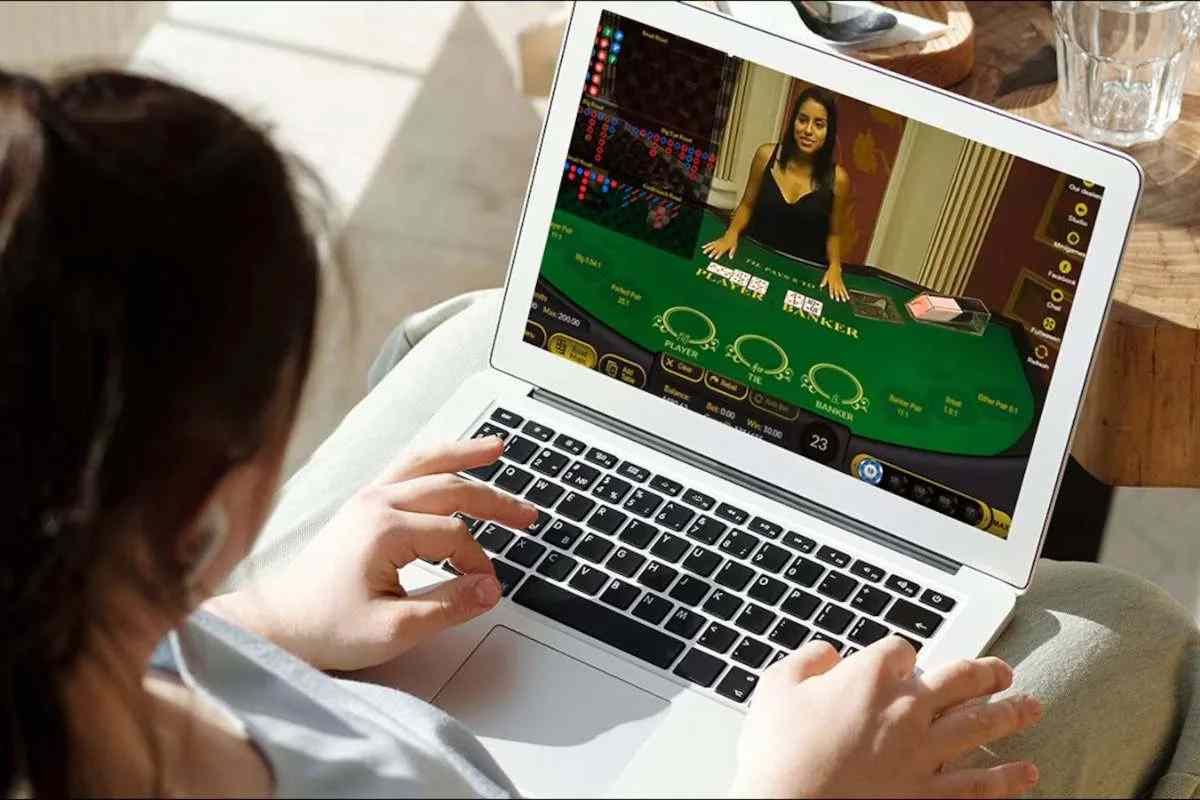
Live casino looks simple from the outside. A dealer, a table, a camera, a stream and players joining from different places. In reality, it is one of the most demanding parts of the platform. The video has to stay clear. The timer must match the betting window. Results need to settle correctly. The sound cannot lag behind the action. The balance must update without confusion. If any part falls out of sync, the table stops feeling trustworthy. That is the strange thing about live casino technology. When it works, nobody talks about it. When it fails, the whole game feels broken.
Payments Are Also Tech
Many people think of casino tech as games and graphics, but payments are just as important. Deposits, withdrawals, balance updates, verification checks and transaction history all shape the user’s trust. A platform can have excellent games, but if the cashier feels unclear, the whole experience becomes weaker. The best payment systems are not flashy. They are plain and readable. The user should know what happened, what is pending and what needs action. In online casinos, boring payment design is often a compliment.
Security Has to Be Quiet
Online casinos handle sensitive details, so security has to be serious. But it cannot make every visit feel heavy. Good security works in the background. A normal login from a known device feels quick. A strange login gets checked. Payment activity is monitored. Account tools stay clear without turning every click into a form. That balance matters. Players want protection, but they do not want the platform to feel like paperwork.
The Best Tech Disappears
The most impressive online casino technology is often the part the player never thinks about. Fast loading. Smooth games. Clear payments. Stable streams. Safe accounts. Clean mobile design. When all of it works together, the platform feels easy. That is where online casinos are heading. Not just bigger game libraries, not just brighter graphics, but better systems behind the screen. The games bring people in, but the tech decides whether the experience feels good enough to come back to.
